
From choking winter smog to flooded monsoon streets, Pakistan’s cities are feeling the weight of a changing climate, and the poorest residents are paying the highest price. In this episode, Dr Maryam Ibrahim, human geographer and Assistant Professor at LUMS, sits down with Dawar Hameed Butt, public policy analyst and co-founder of Climate Action Pakistan, to ask a pressing question: who are our cities really built for?
Together they explore how rapid urban growth, overconcretisation and short-term fixes have left cities increasingly vulnerable to environmental shocks. They discuss why climate change is often used to deflect responsibility, why data rarely shapes decisions, and why real accountability is still missing. It’s a candid conversation about what it will take to build cities that are fair, livable and ready for the climate crisis.
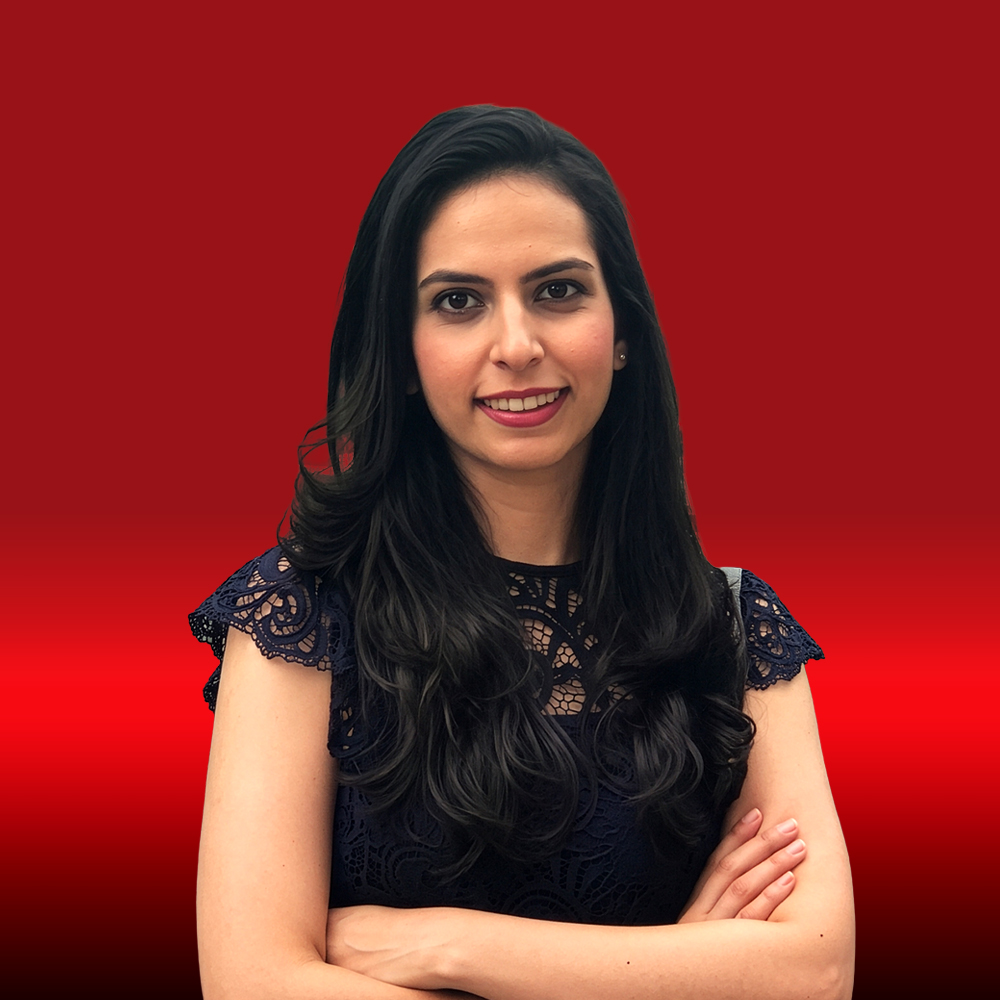
Dr Maryam Ibrahim (Facilitator) is a Human Geographer and Assistant Professor in the Department of Humanities and Social Sciences. Her PhD in Geography sits within the Environment, Politics and Development stream. Her research covers urban development, housing and gender exclusion in cities, using spatial, population and housing analysis to inform policy.
Her work includes the Housing Chapter of the Punjab Spatial Strategy 2040, the Punjab Cities Growth Atlas, and “Lahore Growth – Past and Future” (The Urban Gazette, January 2018), all with The Urban Unit. Upcoming publications examine Pakistan’s urban housing policies and gender from 1947 to 2020, gender-inclusive urban improvement programmes, the gender disconnect in interventions for Lahore’s low-income settlements, and face mask compliance among youth during COVID-19.

Dawar Hameed Butt (Guest) is a public policy analyst whose work spans air quality, climate change, environmental governance and sustainability. Air pollution is one of his most established areas. He has analysed Lahore’s smog crisis, its transport and industrial sources, air-quality monitoring and Punjab’s policy response, and has contributed to Pakistan-focused research with the Centre for Research on Energy and Clean Air (CREA). His commentary on urban flooding, including pieces in Dawn and Geo News, argues that Lahore’s floods are a climate and planning issue, not only an infrastructure one.
He is a co-founder of Climate Action Pakistan, a network of climate and environmental advocacy groups, and has been listed as Research Manager at the Legal Aid Society. He has worked as a consultant on World Bank and FCDO projects and held analyst roles at Sustainable World Inc. and Equilibrium Pakistan.