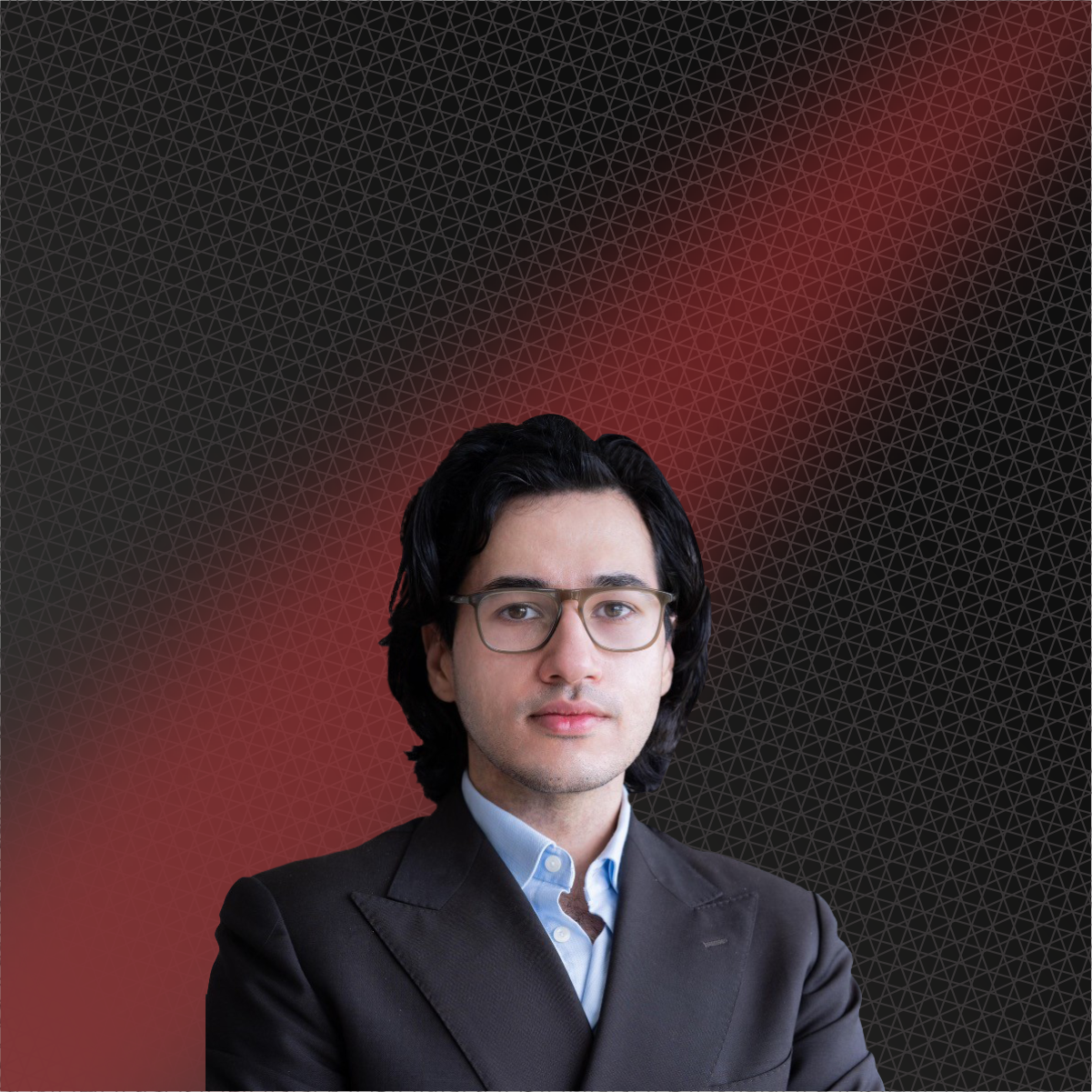

Let’s Talk Development

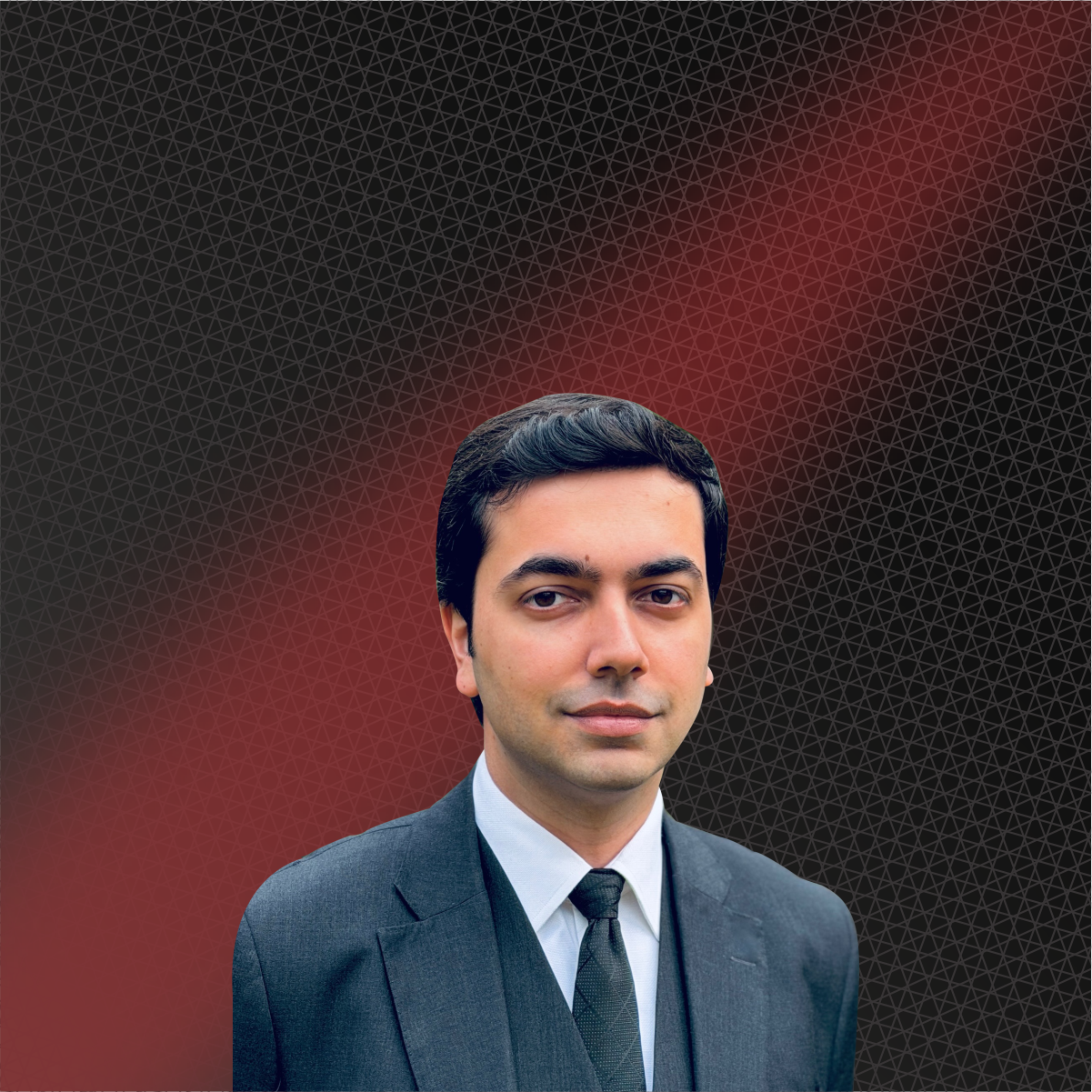
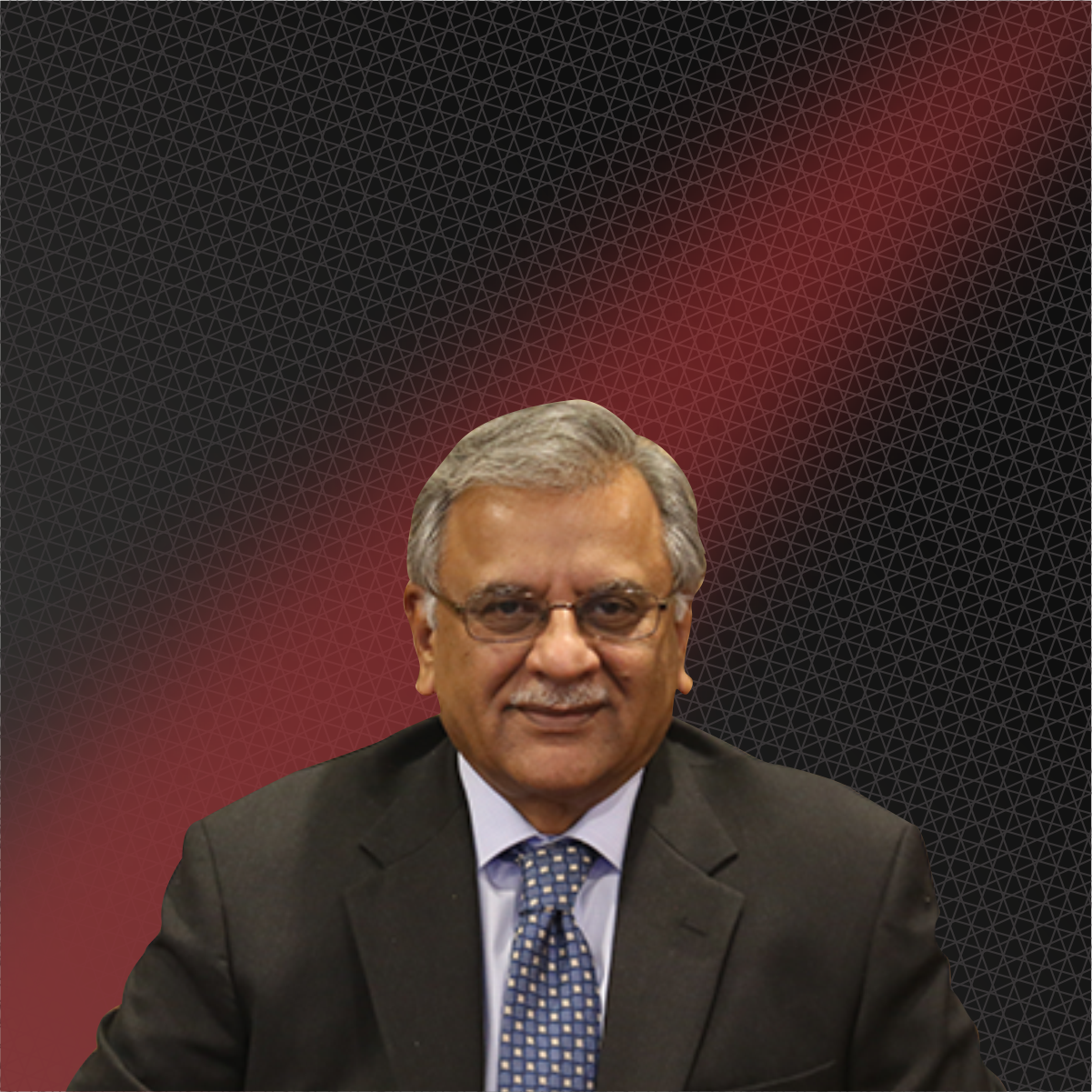
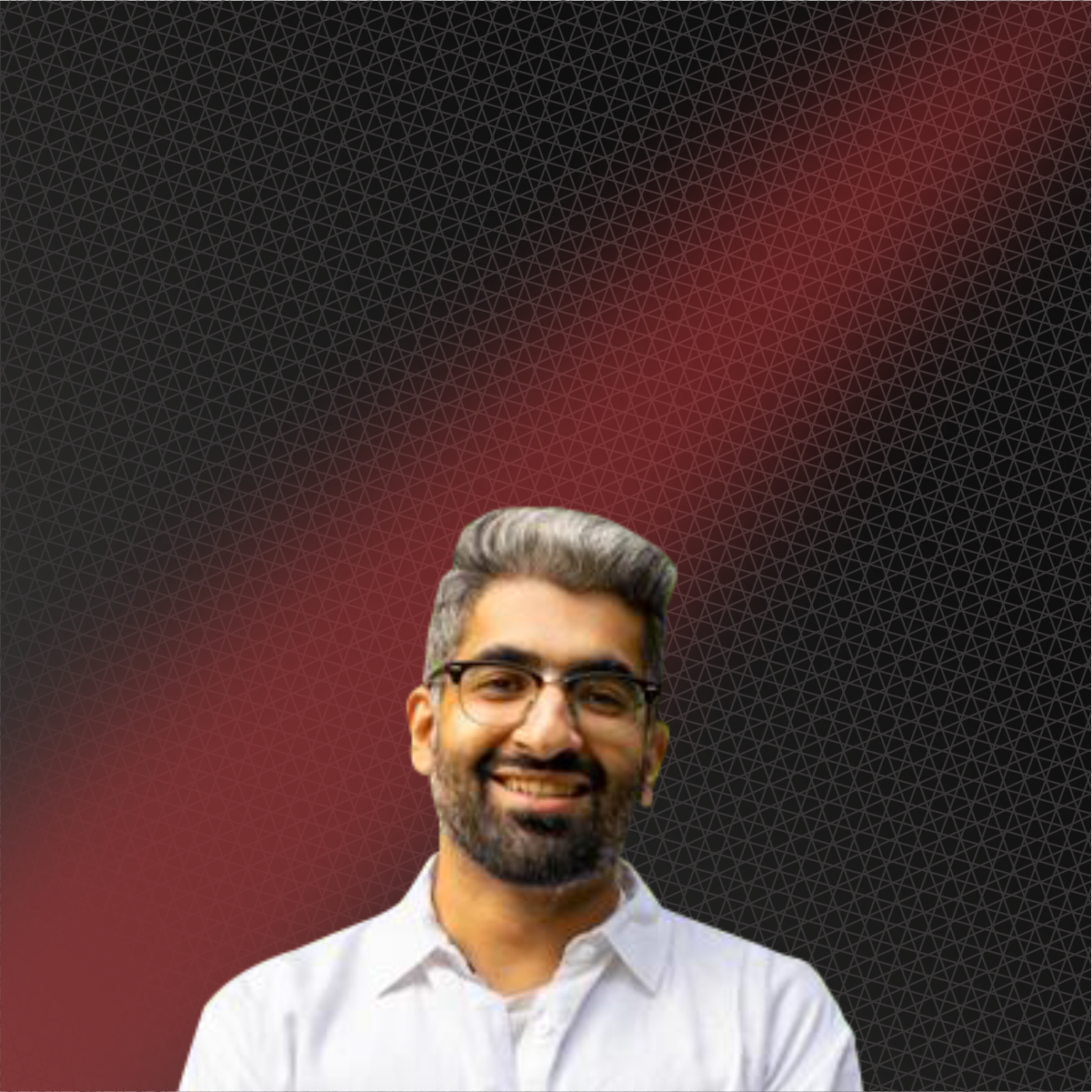
Host Asad Rahim

Barrister

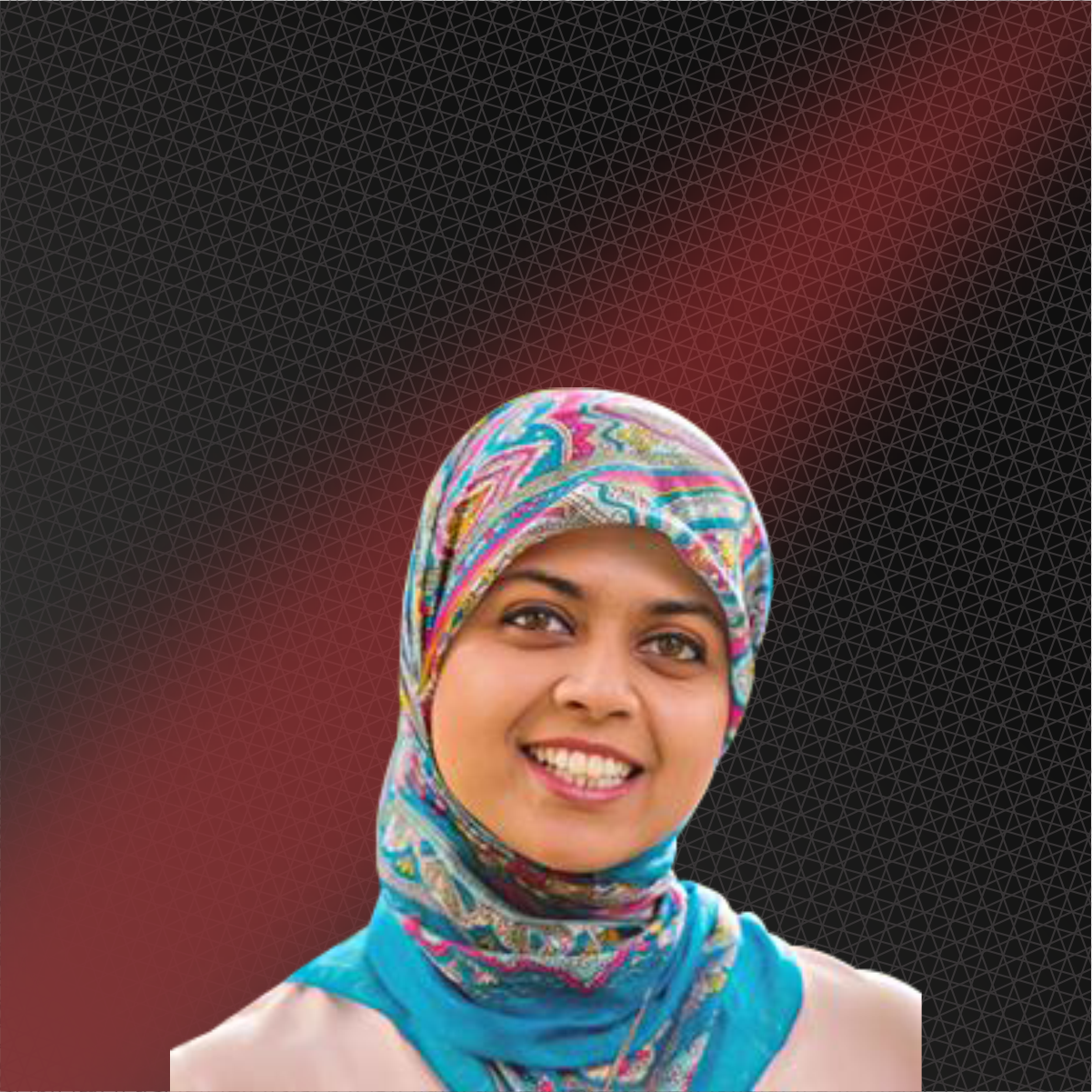
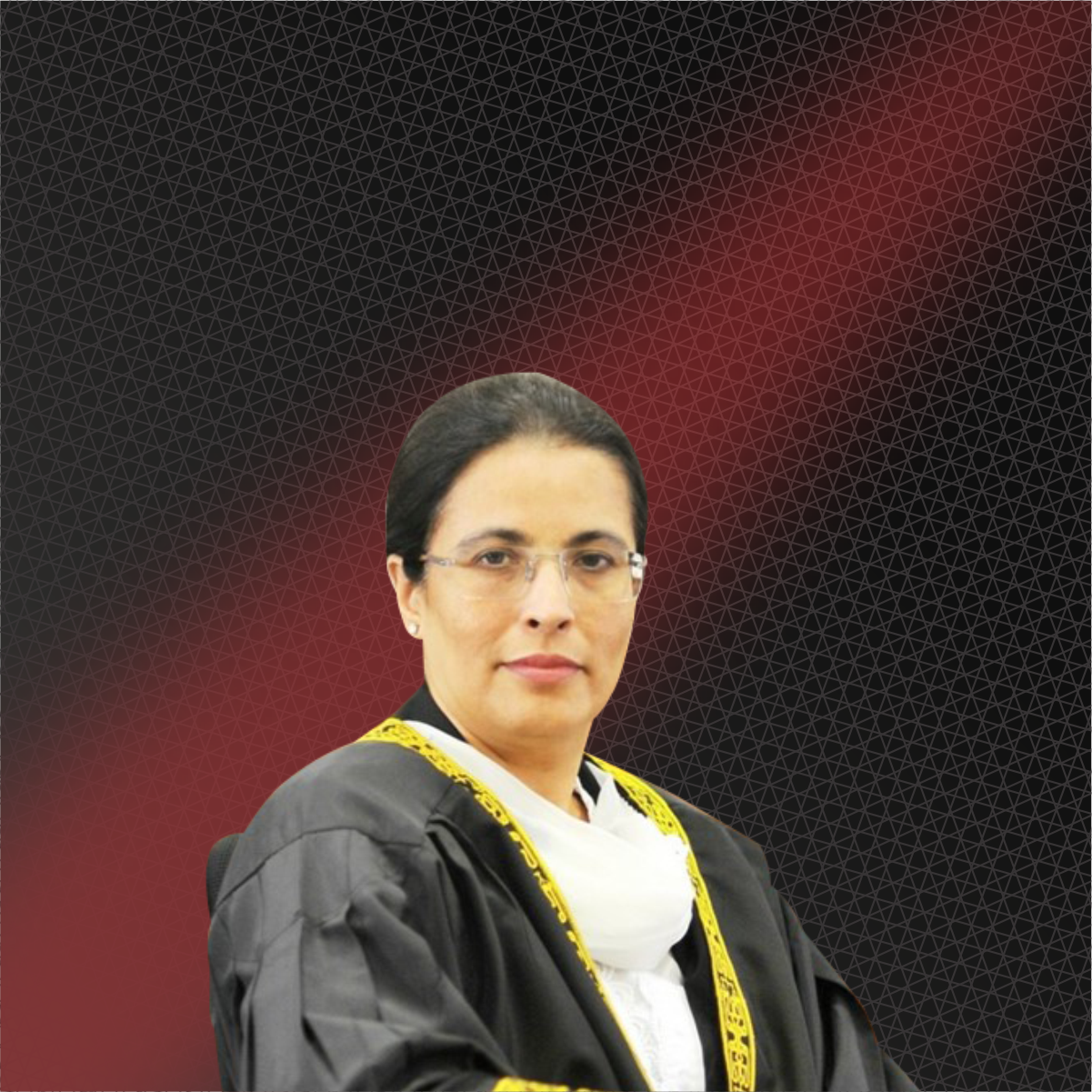
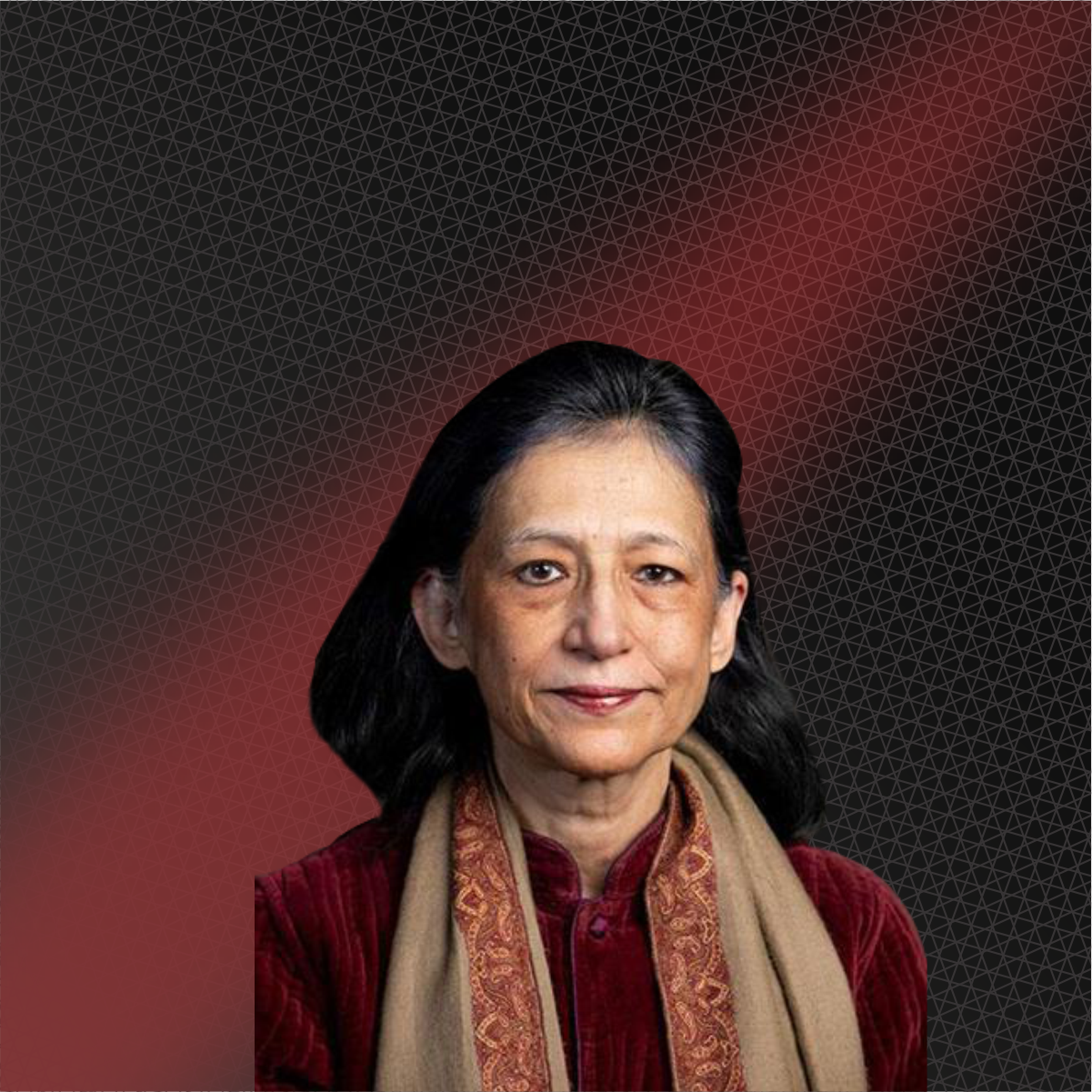
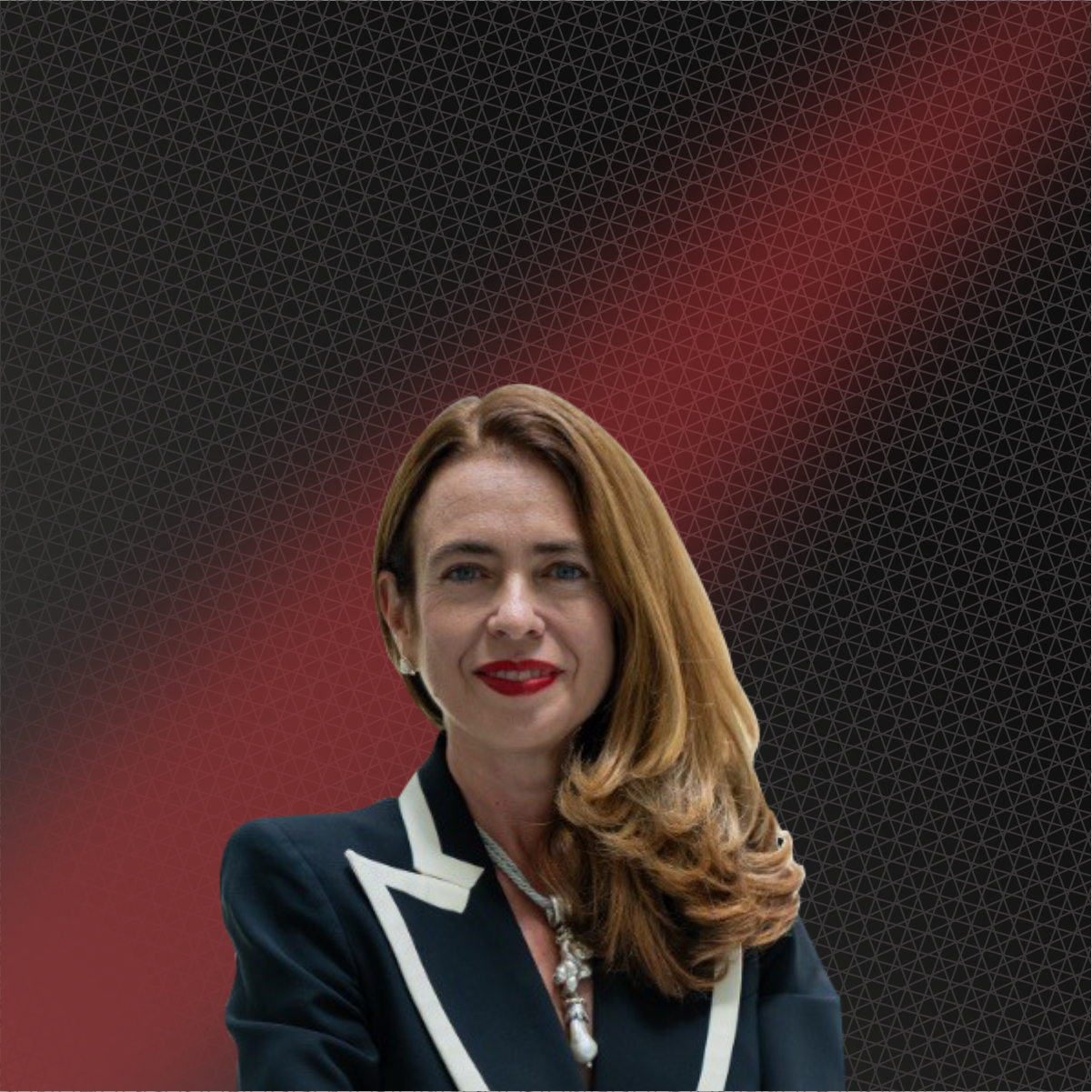
Guest Ayesha A. Malik

Justice Supreme Court

Season 3 Episode 11
  • State
  • Inclusive Growth

Justice Ayesha Malik on Rule of Law, Governance and True Cost of Weak Enforcement

In this episode of Let’s Talk Development, Asad Rahim (Barrister) sits down with Justice Ayesha Malik, the first woman appointed to the Supreme Court of Pakistan and a jurist whose work has significantly advanced constitutional and administrative law in the country to explore the deep connection between law, governance and development. From advancing constitutional rights through a citizen-centric lens to addressing gender vulnerability, Justice Malik reflects on how judicial thinking shapes the everyday realities of citizens. She emphasizes the centrality of the rule of law to effective governance, highlighting how weak enforcement erodes institutional credibility, deters investment and deepens inequality. Drawing on her judicial experience, she highlights the gap between legal frameworks and their implementation. She argues that sustainable reform depends not only on sound laws, but also on consistent and impartial enforcement.
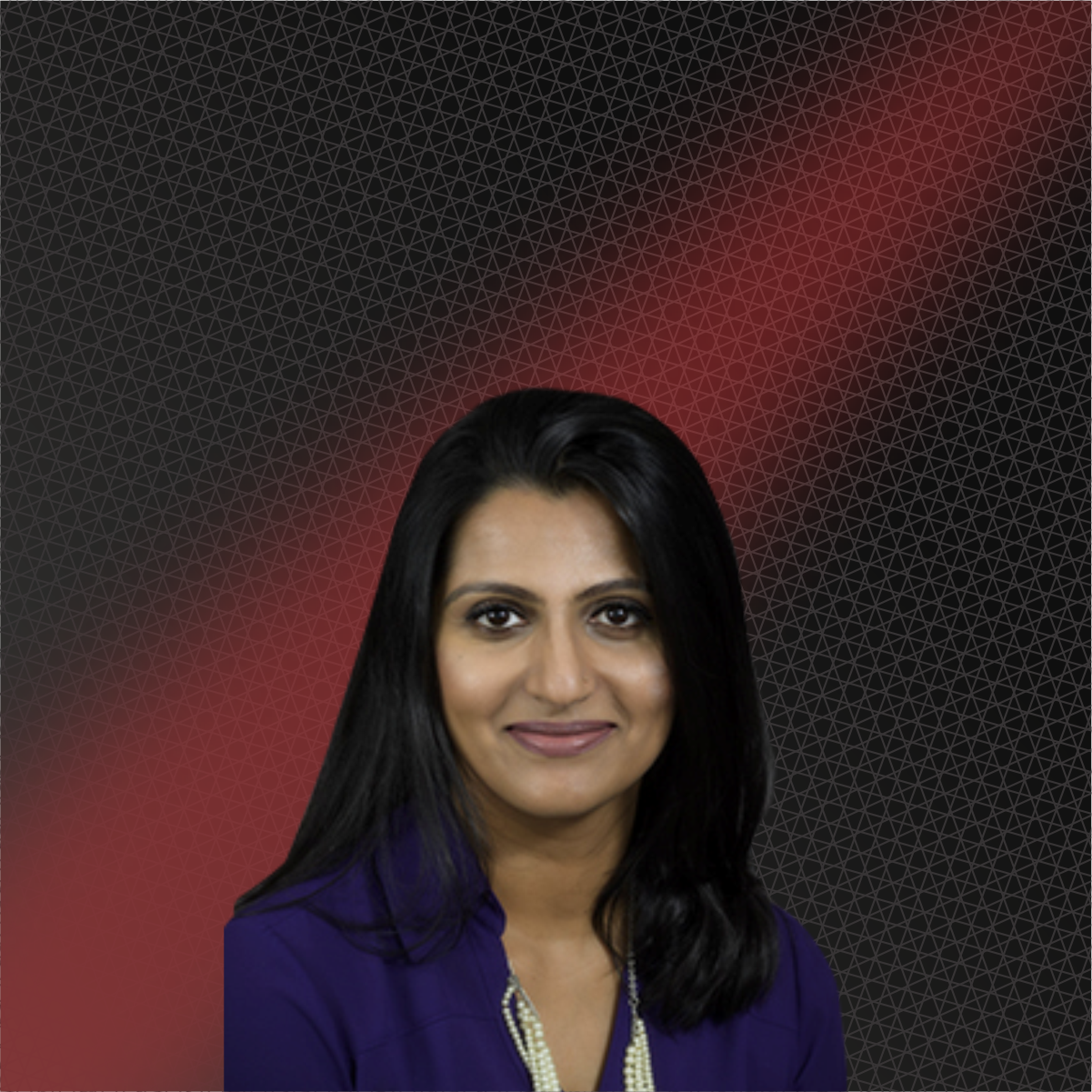
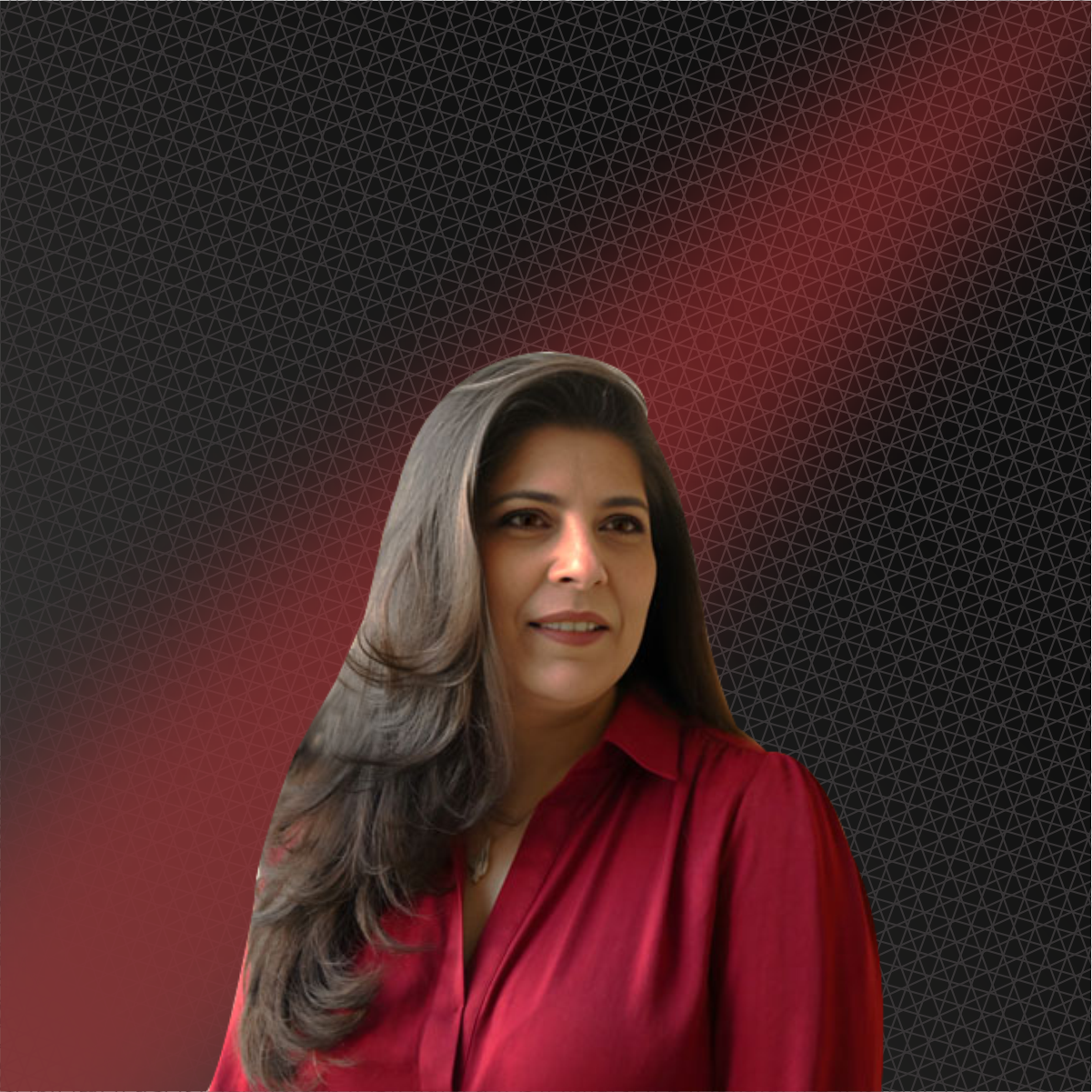
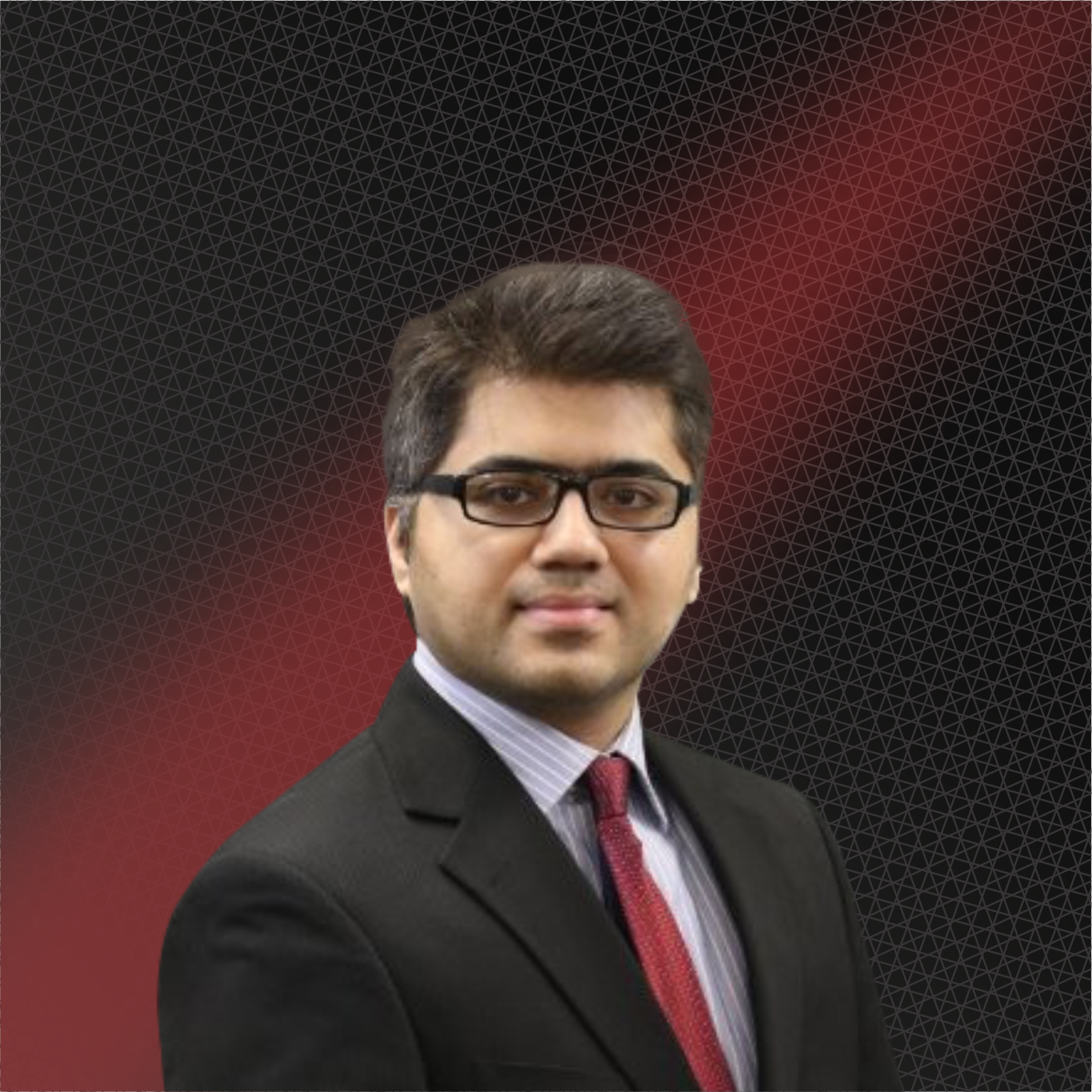
Host Ayesha Husain

Educationist and Author

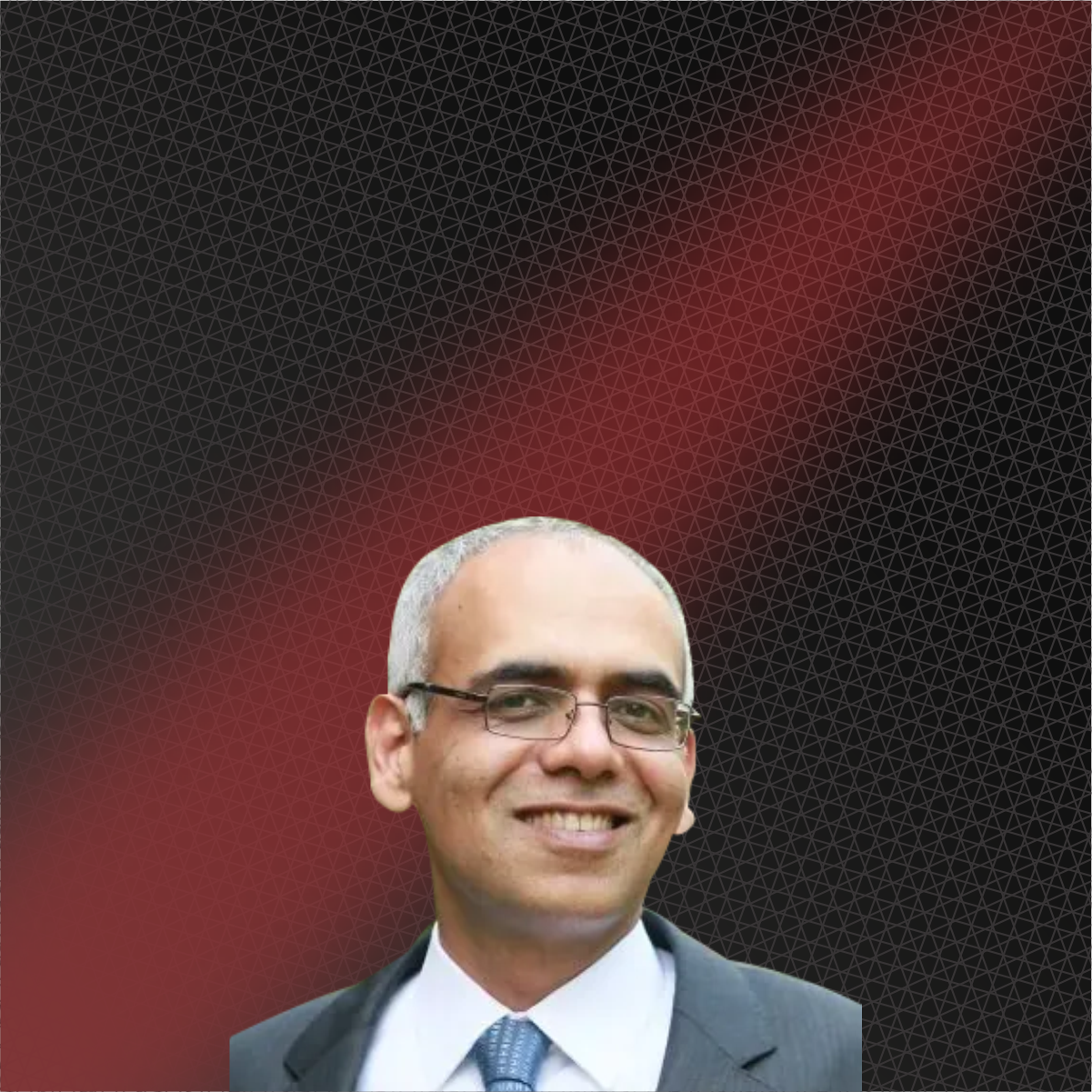
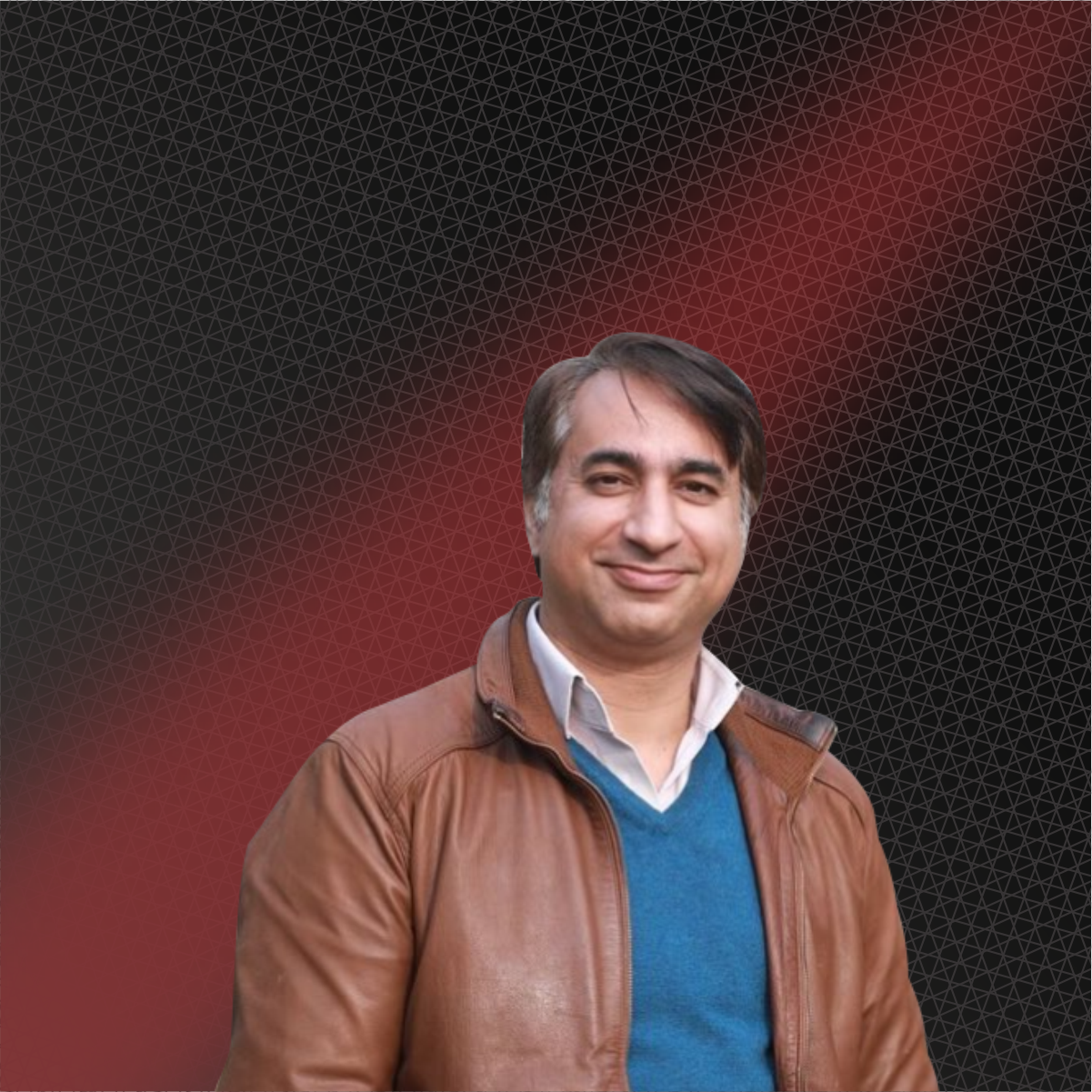
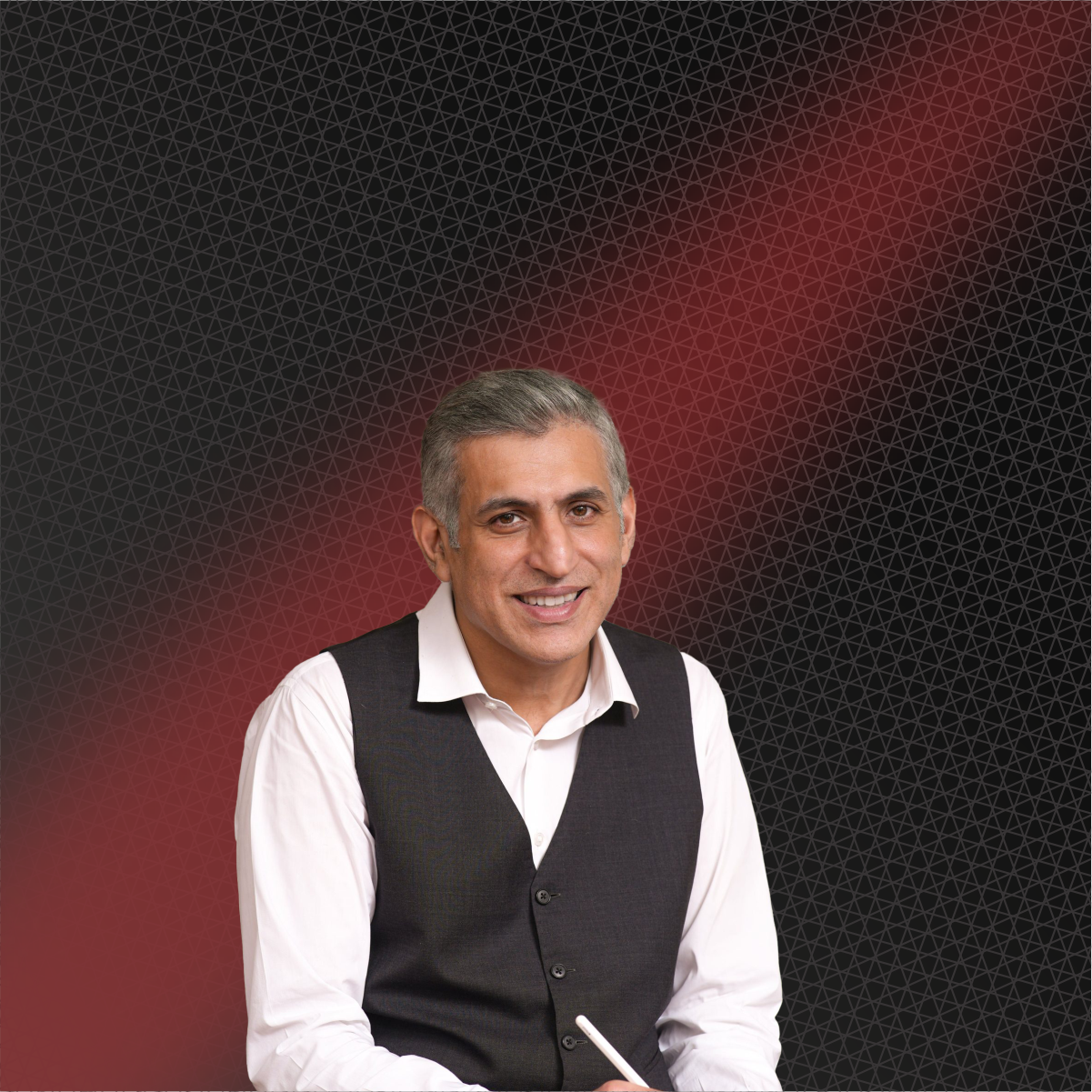
Guest Syed Turab Hussain

Principal, Aitchison College

Season 3 Episode 10
  • Education
  • State

More Than Marks: What Education Owes the Next Generation

In this episode of Let’s Talk Development, Ayesha Hussain (Educationist and Author) sits down with Dr. Syed Turab Hussain (Economist, Educator and Principal of Aitchison College) to discuss one of the most important questions of our time: is education in Pakistan keeping up with the fast-evolving world? From the overemphasis on grades in classrooms across Pakistan to the quiet erosion of deep thinking, Dr. Hussain draws on his extensive teaching experience at institutions like LUMS, and now heading Aitchison College, to make a compelling case for returning to the basics: critical thinking, strong writing and, above all, building character. The conversation also explores where AI fits in, and where it does not, why good teachers remain irreplaceable and what it will take to prepare Pakistan’s younger generation for a rapidly shifting world.
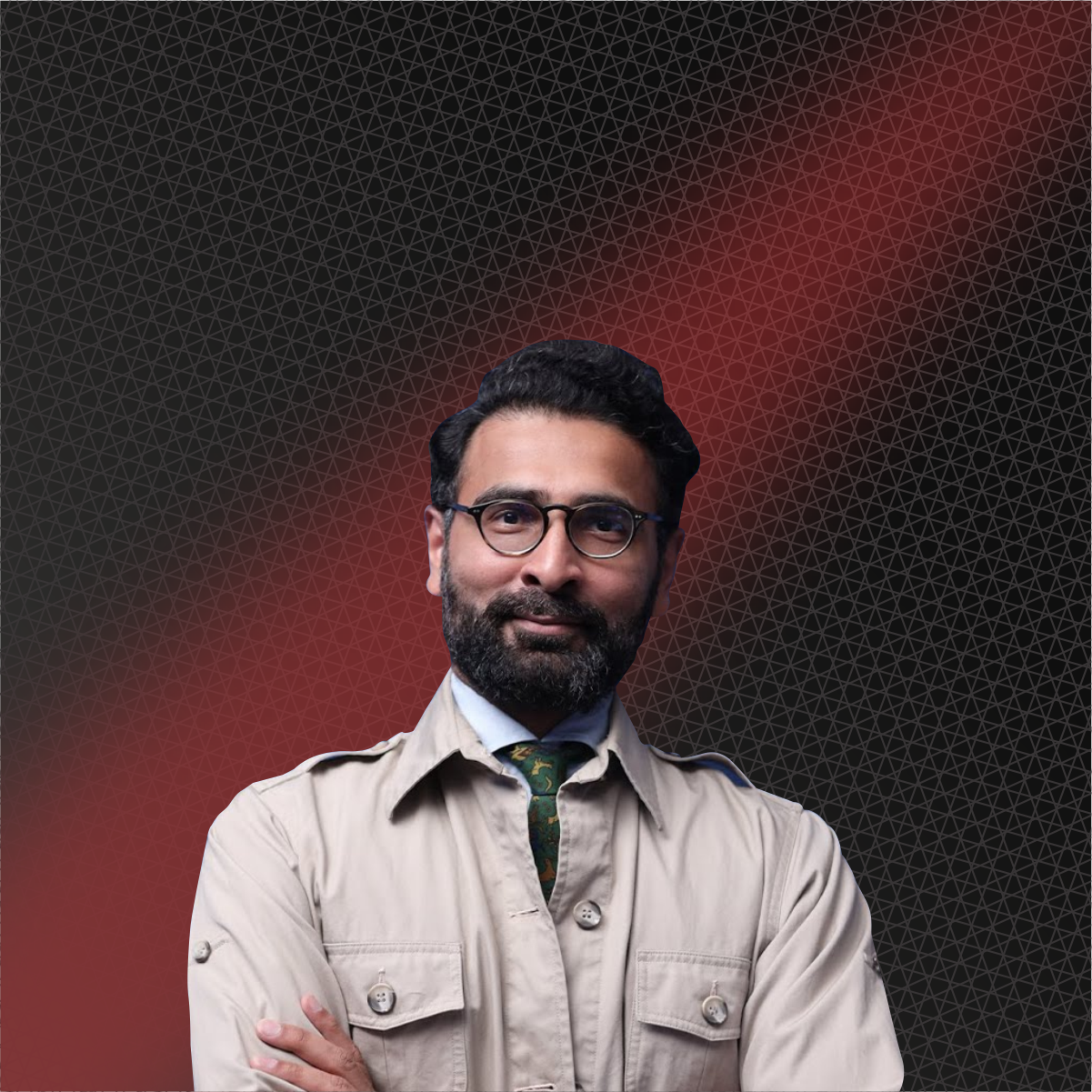
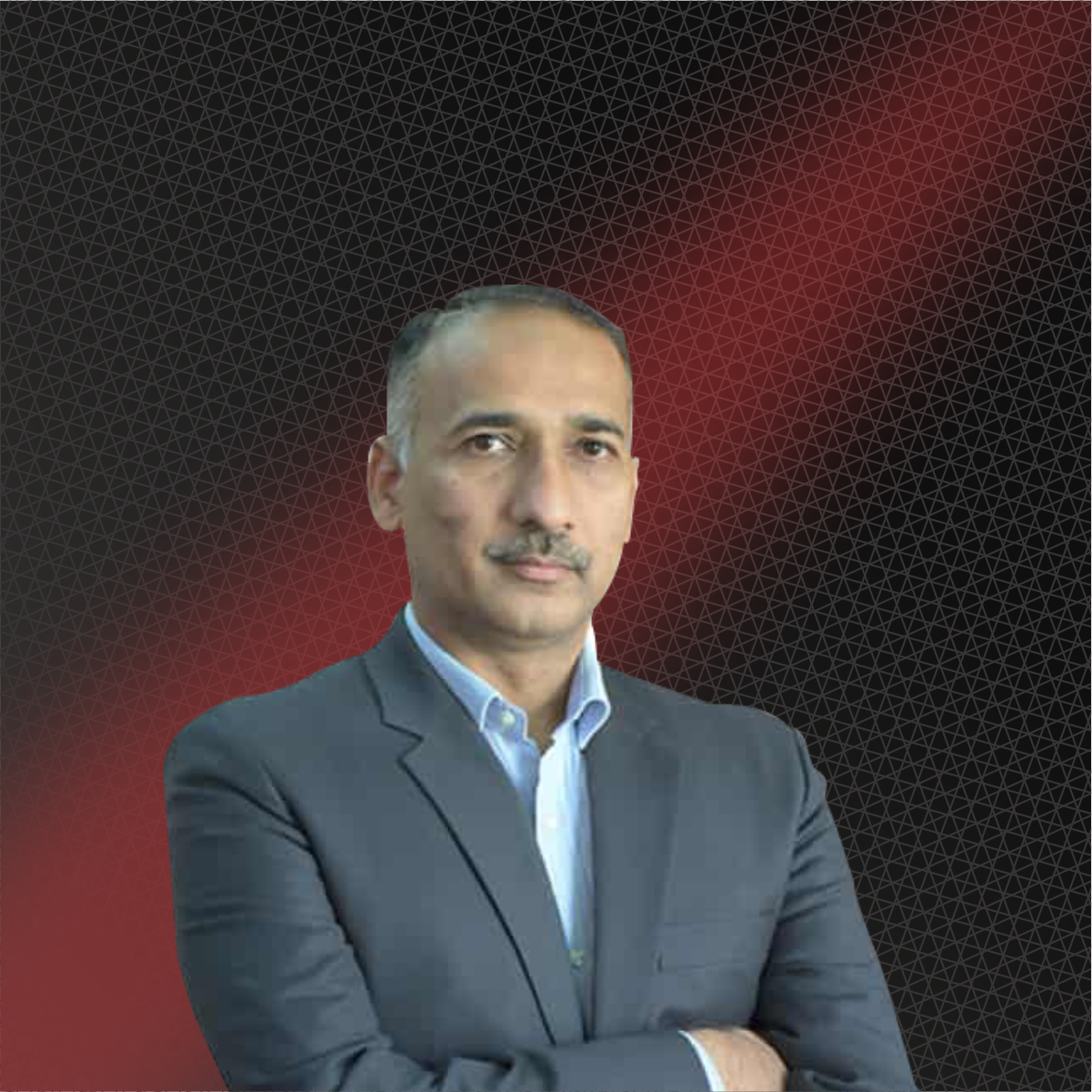
Host Sajid Faiz

Country Economist, Pakistan International Growth Centre (IGC)

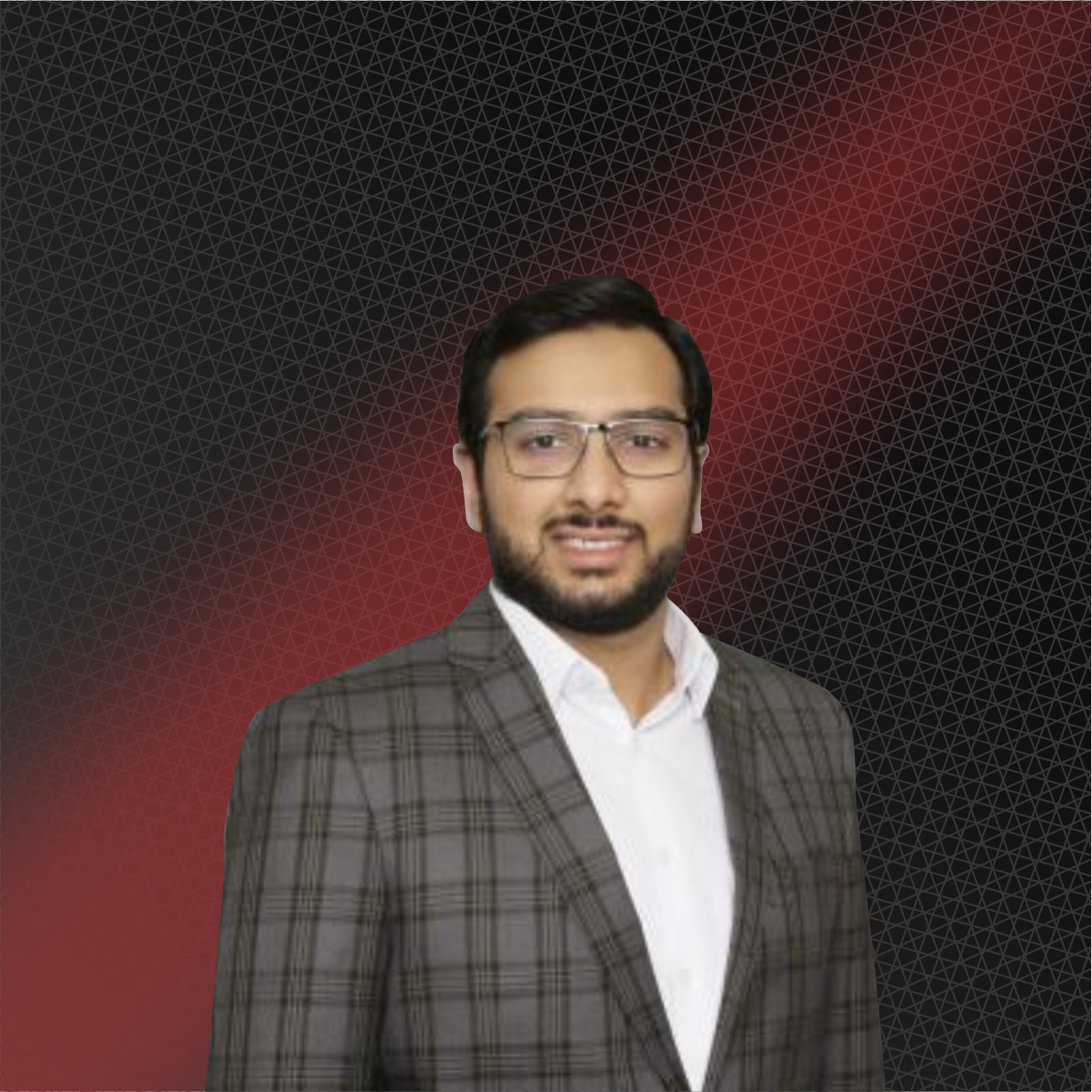
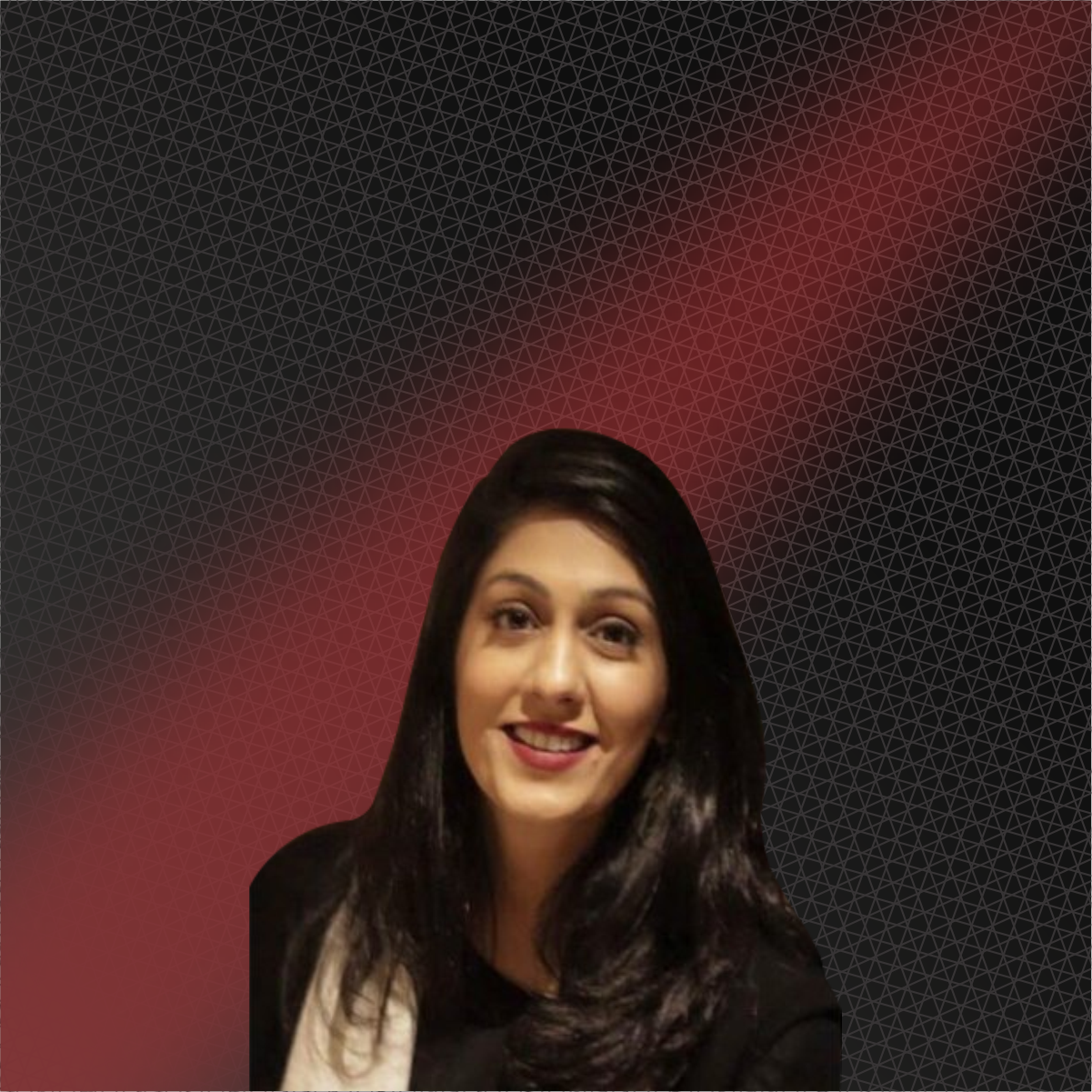
Guest Taimur Malik

CEO at Drawdown Farms

Season 3 Episode 12
  • Environment and Climate Change

The Future of Agriculture in Pakistan: What Really Drives Change

In this episode, Taimur Malik (Co-founder of Drawdown Farm and the Alliance for Regenerative Agriculture) joins Sajid Faiz (Country Economist, IGC Pakistan) to discuss why Pakistan’s agriculture sector is stuck in a 1960s Green Revolution paradigm and what it will take to move beyond it. Drawing on his journey from finance to farming, Taimur explains how regenerative agriculture is challenging conventional practices by improving yields, lowering input costs and restoring ecosystems. From the pink bollworm’s resistance to Bt cotton, which wiped out a third of Pakistan’s crop in 2016, to the widespread reliance on costly imported fertilizers, he highlights the systemic vulnerabilities in current farming models. The conversation also explores deeper structural challenges like water scarcity, biodiversity loss and the risks smallholder farmers face when adopting new practices. Grounded in real-world experiments from the Thal Desert, Taimur makes a compelling case for a transition toward farming systems that work with nature rather than against it. Books mentioned in the podcast: Eaarth: Making a Life on a Tough New Planet — Bill McKibben Dirt: The Erosion of Civilizations — David R. Montgomery More than 75 percent decline over 27 years in total flying insect biomass in protected areas (2017) — Caspar A. Hallmann et al. Organic agriculture and the global food supply (2007) — Catherine Badgley et al. Pakistan Country Economic Memorandum 2022: From Swimming in Sand to High and Sustainable Growth — World Bank The State of the World’s Land and Water Resources for Food and Agriculture (SOLAW) — Food and Agriculture Organization of the United Nations (FAO)
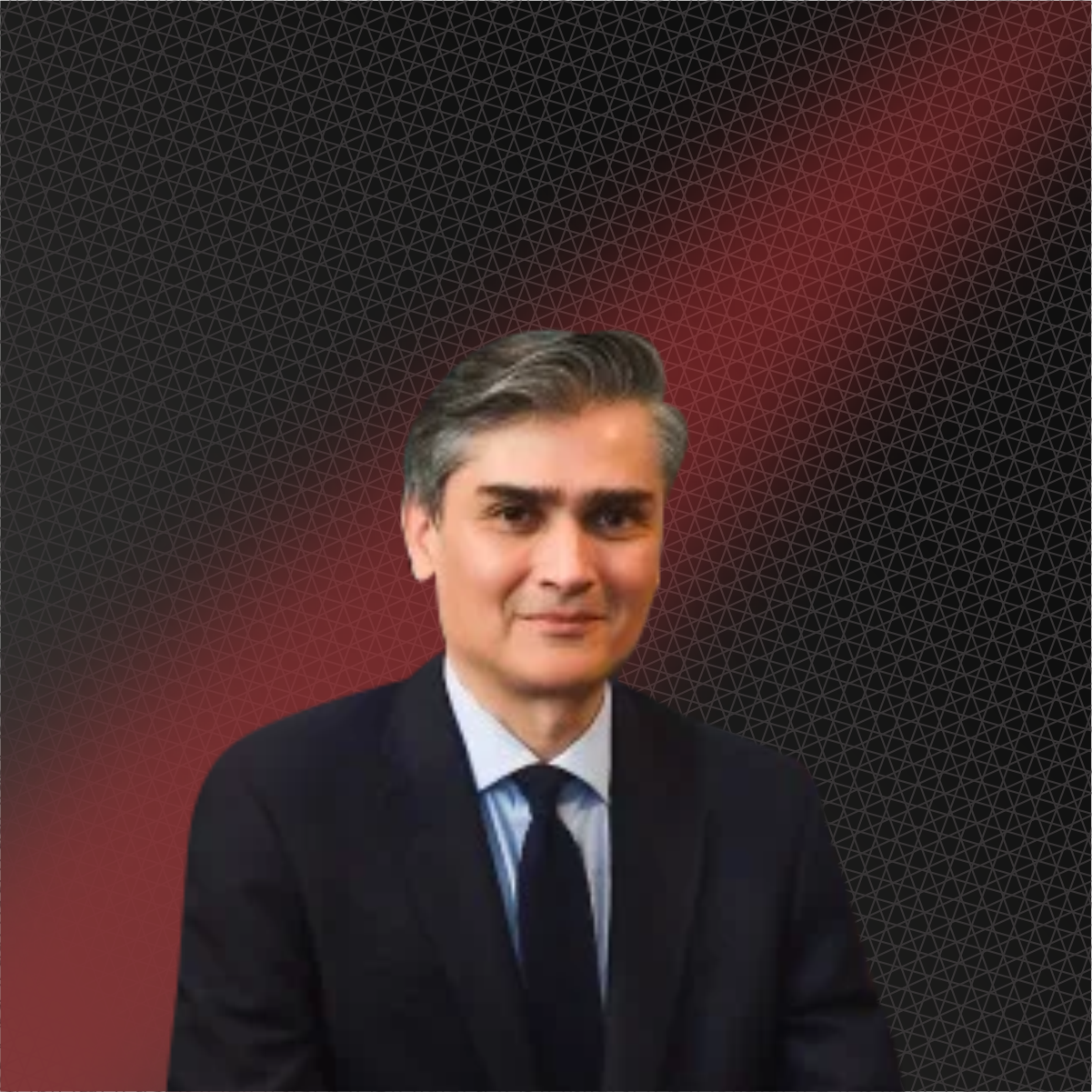
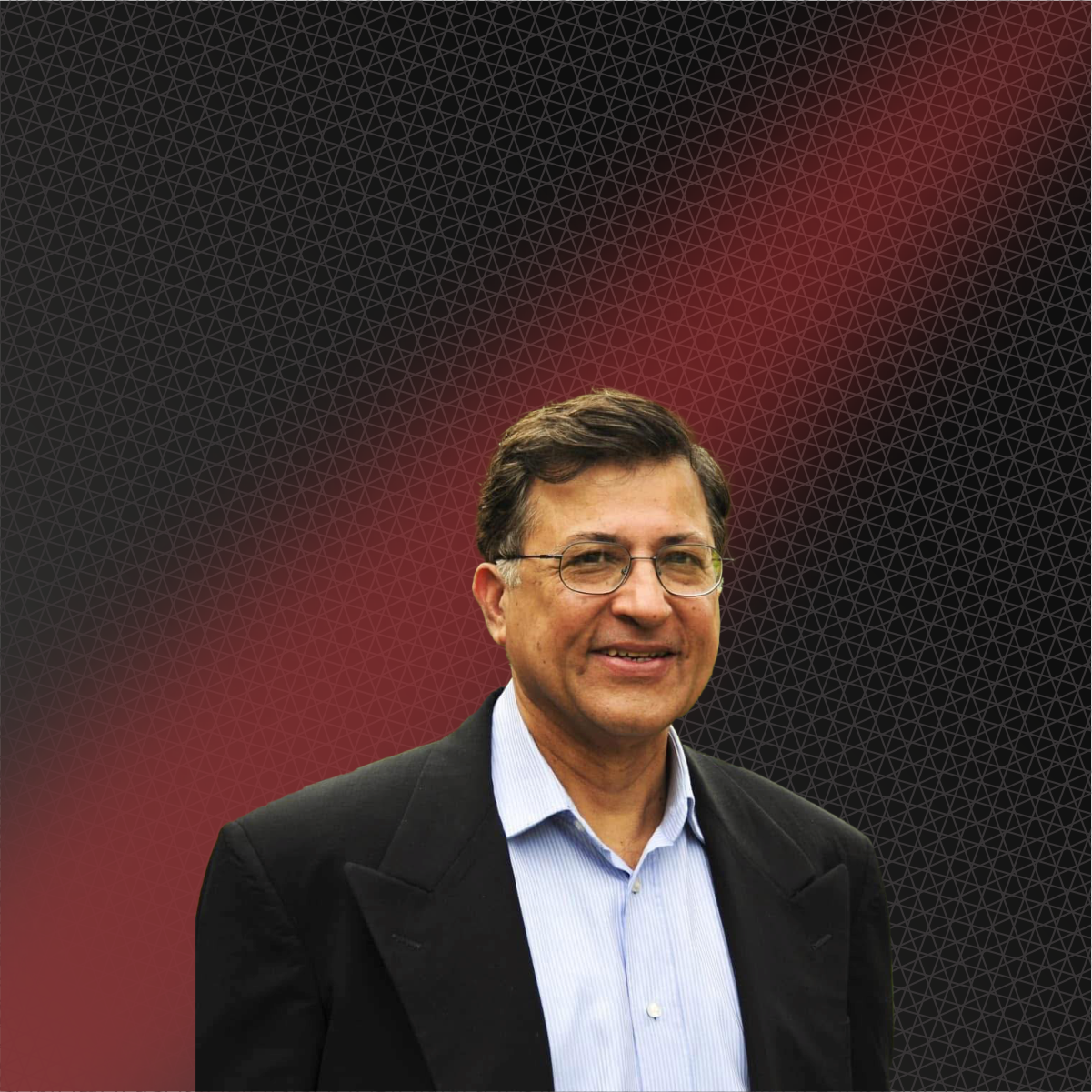
Host Dr. Ijaz Nabi

Country Director Pakistan, IGC & Director, CDPR

Guest Pervez Hoodbhoy

Pakistani nuclear physicist, author

Season 3 Episode 9
  • Education
  • State

The Knowledge Deficit: Rethinking Progress with Dr. Pervez Hoodbhoy

In this episode Dr. Pervez Hoodbhoy joins Dr. Ijaz Nabi to explore the roots of Pakistan’s current economic and social challenges. Moving beyond fiscal policy, Dr. Pervez argues that the real barriers to progress lie in our culture, education system and collective mindset as a society. He draws comparisons with India, Bangladesh and China to highlight how societies that value science, hard work and equality have managed to transform their future, while Pakistan remains trapped in cycles of poor governance, weak education and misplaced priorities. From the collapse of higher education to the lack of work ethic and scientific curiosity, the conversation assesses what it would take to realign Pakistan’s path toward meaningful development. At its heart lies a simple but urgent question: can a nation rise without investing in knowledge, truth and learning?
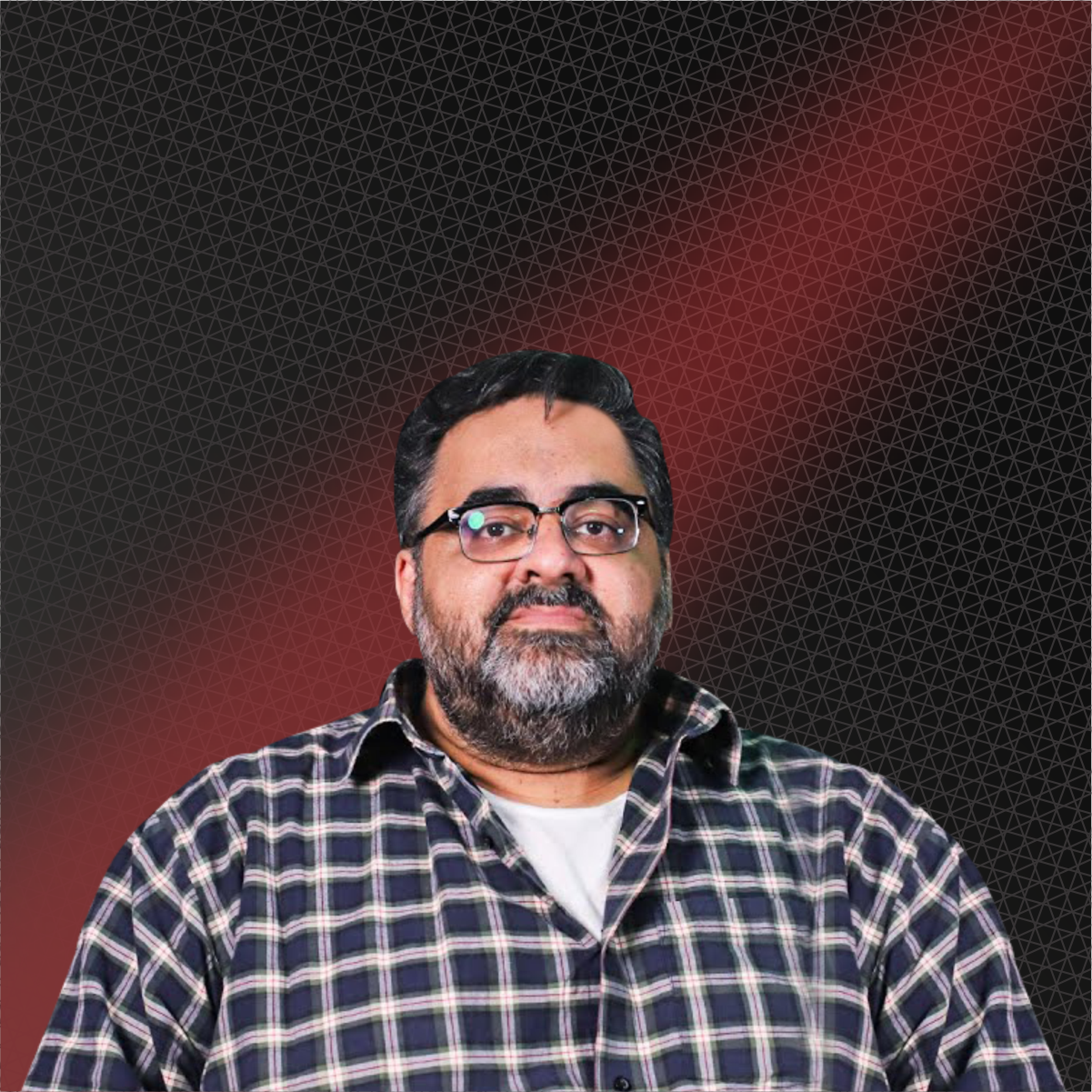
Host Fasi Zaka

Pakistani Political Commentator and Columnist

Guest Taimur Rahman

Professor at LUMS, Musician and Political activist

Season 3 Episode 8
  • Governance
  • Inclusive Growth
  • State

Development in an Age of Inequality and Polarisation

In this episode, Dr. Taimur Rahman joins Fasi Zaka for a wide ranging conversation on growth, inequality and inclusion in Pakistan. The discussion assesses the dominant development models, elite capture and the limits of neoliberalism. The conversation also reflects on the political economy of social media examining how digital platforms shape narratives, intensify polarization and influence who gets to speak and be heard. From global political economy to social media, identity politics and class, this episode offers a sharp and reflective take on the challenges shaping Pakistan and the world's development trajectory today.
Host Dr. Adeel Tariq

Assistant Professor of Economics, LUMS

Guest Dr. Nasir Iqbal

Associate Professor, PIDE

Season 3 Episode 7
  • Environment and Climate Change
  • Cities

When Floods Hit the Poor: Rethinking Poverty Graduation

When climate shocks hit the poorest, what happens to the programmes meant to lift them out of poverty? In this episode, Dr. Nasir and Dr. Adeel explore the National Poverty Graduation Programme (NPGP) - a flagship initiative aimed at moving households beyond short-term cash transfers toward sustainable livelihoods through asset transfers and skills. Drawing on his fieldwork in South Punjab, Dr. Nasir shares how beneficiaries coped during high inflation, why the 2022 floods turned assets like livestock into liabilities and what all this means for building resilience. This timely conversation offers lessons for policymakers in Pakistan and beyond on designing poverty programmes that can withstand an era of rising climate vulnerability.
Host Ijaz Nabi

Country Director Pakistan, IGC & Director, CDPR

Guest Ayesha Jalal

Mary Richardson Professor of History at Tufts University

Season 3 Episode 6
  • Taxation
  • Inclusive Growth
  • State

Revisiting Pakistan’s Past to Understand Its Present: Ayesha Jalal in Conversation

What can history teach us about Pakistan’s current economic dilemmas and its future? In this episode, Ayesha Jalal joins Ijaz Nabi to reflect on the country’s enduring political and economic challenges.The conversation touches on Jinnah's constitutional vision, the fractured nature of Pakistan’s federal politics, the recurring cycles of aid inflows during military regimes and the missed opportunities for building sustainable growth through trade and taxation.
Host Shahrukh Wani

Senior Country Manager, IGC

Guest Roberta Gatti

Chief Economist, World Bank

Season 3 Episode 5
  • Governance
  • Inclusive Growth
  • State

How to Deliver Economic Growth in an Uncertain World?

Global growth is slowing, debt burdens are rising and climate pressures are intensifying, what does this mean for the future of economies? In this episode, Dr. Roberta Gatti from World Bank and Shahrukh Wani from IGC explore some of the most pressing questions shaping growth today: the changing role of industrial policy, how governments can promote stronger business environments and why data and evidence are crucial for effective policymaking. They discuss the MENAAP region’s debt challenges, the risks and opportunities from trade realignment, and the importance of measuring what works - and admitting what does not. With insights from one of the World Bank’s leading economists, this conversation offers valuable perspectives for policymakers, researchers and anyone interested in the future of growth.
Host Saba Shahid

Manager of R&D and Partnerships at the LUMS Centre for Entrepreneurship

Guest Ahmed Khan

CEO, Punjab Skills Development Fund

Season 3 Episode 4
  • Inclusive Growth
  • State

Unlocking Pakistan’s Youth Potential: How to develop a skilled workforce

64% of Pakistan’s population is under the age of 30. This “youth bulge” holds immense promise if equipped with the right skills. In this episode, Ahmed Khan and Saba Shahid discuss how Pakistan can turn its growing youth population into a productive economic force. They discuss how PSDF is addressing this challenge through industry aligned, digitally delivered and outcome focused training programs across urban and rural locations in the country. They shed light on initiatives taken by PSDF for women, the transgnder community and other marginalized groups aiming to improve job opportunities at the grassroot level.
Host Hina Shaikh

Senior Country Economist, IGC

Guest Nausheen Anwar

Fellow of the Institute of Development Studies (IDS)

Season 3 Episode 3
  • Environment and Climate Change
  • Cities

Cities on the Brink: Climate Risks and Urban Realities in Pakistan

Pakistan is facing a dual burden of rapid urbanisation and increasing climate vulnerability, with low-income and marginalised communities bearing the greatest impact. In this episode, Hina Shaikh and Nausheen Anwar discuss the lived realities and politics of urban transformation in Pakistan’s cities. They unpack the complex relationship between urban development and climate challenges, examining how issues such as air pollution, urban flooding and heatwaves manifest differently across cities, shaped by each city’s unique geography, infrastructure, and inequalities.
Host Maha Qasim

Founder and CEO, Zero Point

Guest Yasir Hussain

Director, Climate Action Center

Season 3 Episode 2
  • Environment and Climate Change
  • Cities

Mapping Karachi: Spatial Vulnerability and Climate Change

In this episode, Maha Qasim and Yasir Hussain dive into the historiography of Karachi’s spatial vulnerabilities to discuss problems of climate change linked to heat, water and agriculture.
Host Usman Khan

Investment Lead, REMIT

Guest Hamid Yaqoob Sheikh

Team Leader, REMIT

Season 3 Episode 1
  • State

Gateway to Growth: Export Policy as a Catalyst for Pakistan’s Economy

In this episode, Usman Khan and Hamed Yaqoob Sheikh talk about trade solutions ranging from tariff reforms, non-tariffs and locally-based solutions, export-oriented growth, and diversification of the textile industry.
1 2 3 4